
Security
P2P Crypto Scam Checklist: Payment Proof, Escrow, Release, and Appeals
Avoid the most common P2P crypto scams: off-platform chats, third-party payments, fake receipts, premature release, and unsafe refund requests.
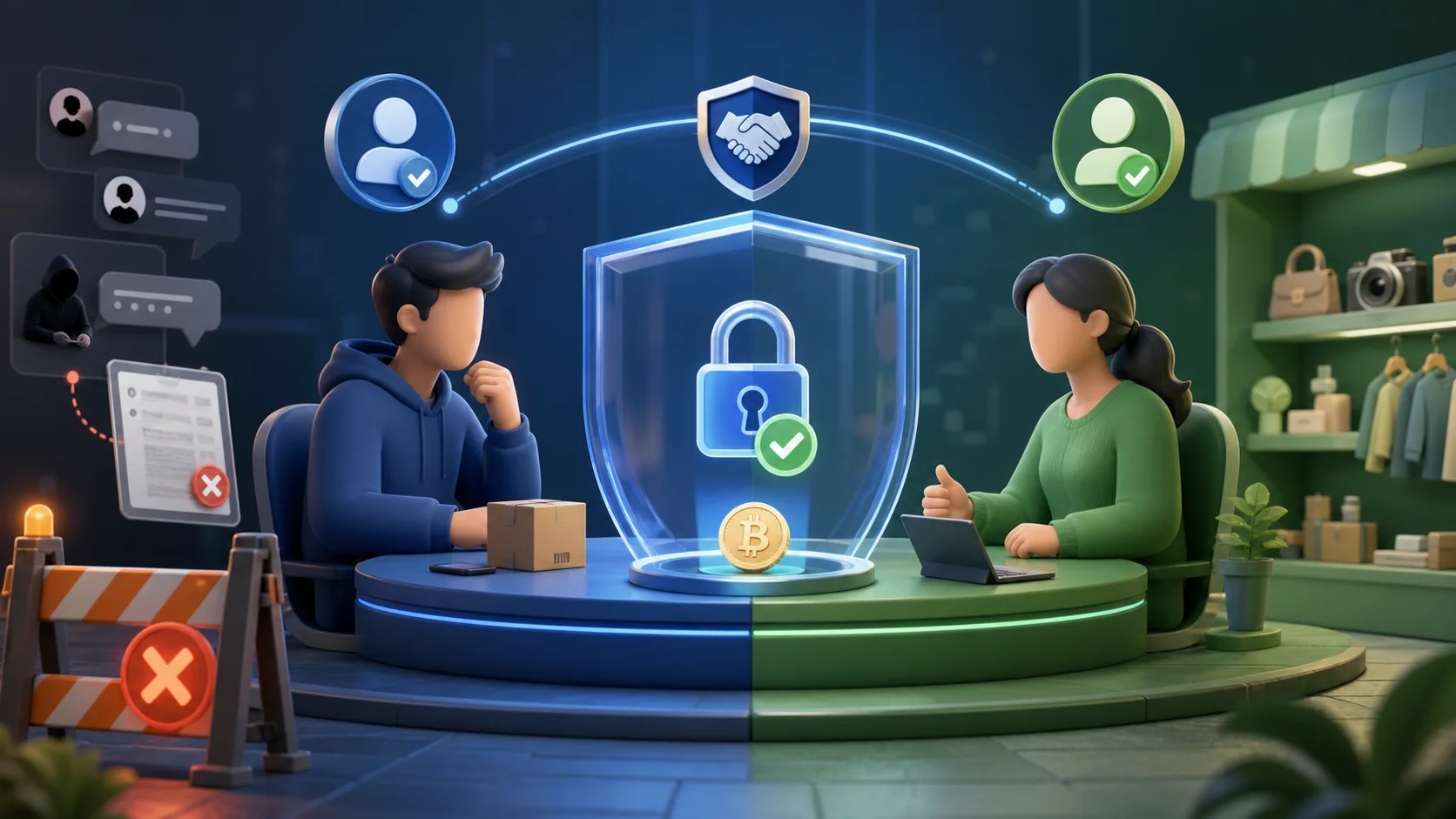
A P2P marketplace can hold crypto in escrow, but the fiat payment still moves through a bank or payment provider. The highest-risk moments are off-platform communication, third-party payment, fake receipts, and premature release.
Checked on 2026-07-12 (UTC+8). P2P availability, payment methods, and withdrawal waiting periods depend on jurisdiction and account.
Buyer Preflight
- Use only merchants and orders displayed inside the platform.
- Review completed orders, completion rate, account history, and terms—not only the cheapest quote.
- Pay from an account matching the verified buyer name.
- Reject offers to move the deal to Telegram, LINE, or WhatsApp.
During Payment
- Pay only the recipient shown in the live order. Pause if the name differs.
- Follow the platform order instructions for payment references.
- Confirm the bank shows a completed transfer, not a scheduled one.
- Mark Paid only after payment and keep evidence without exposing sensitive credentials.
Seller Release Checklist
- Ignore screenshots and check the seller bank account directly.
- Treat delayed-payment claims, support pressure, and overpayment refunds as warning signals.
- Verify the incoming name matches the order. Do not refund a third-party payment to a new account without platform guidance.
- Keep escrow active and open an official appeal when uncertain.
Evidence for an Appeal
Preserve the order ID, in-platform chat, bank transaction time, displayed payer name, and appeal history. Never give a counterparty a password, one-time code, full card number, or identity-document copy.
Some platforms apply a withdrawal waiting period to selected P2P purchases. That is a risk-control state, not a fee a merchant can remove.
See the exchange security checklist.
Official References
⚠️ P2P payments carry local banking and legal risk. Never rent an account, buy on behalf of strangers, or move unexplained funds.