
Tutorials
USDT TRC20 vs ERC20: Fees, Speed, Compatibility, and Wrong-Network Risk
TRC20 and ERC20 are different network versions of USDT. Compare fee models, address formats, platform support, wallet use, and wrong-network risk.
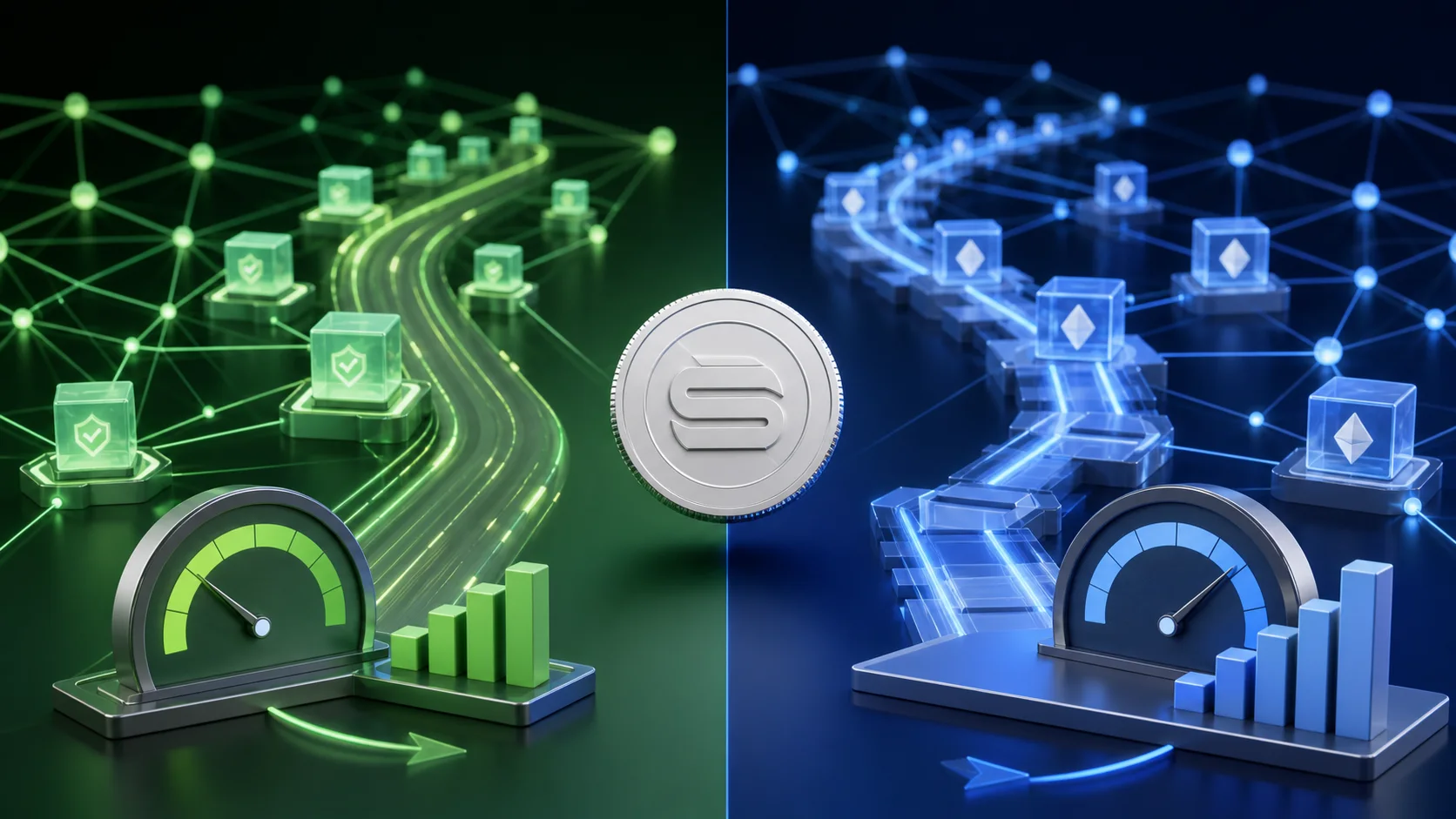
TRC20 and ERC20 are not two separate stablecoins. They are USDT issued on different blockchains. The dollar target may be shared, but addresses, fee resources, confirmations, and application ecosystems are not interchangeable.
Checked on 2026-07-12 (UTC+8). Avoid permanent rules such as TRC20 is always cheaper. Network conditions and exchange charges change.
Side-by-Side
| Factor | TRC20 USDT | ERC20 USDT |
|---|---|---|
| Network | Tron | Ethereum |
| Native fee resource | TRX, Energy, and Bandwidth | ETH gas |
| Common use | Exchange transfers and some P2P markets | Ethereum wallets, DeFi, and contracts |
| Typical address clue | Often starts with T | Often starts with 0x |
| Real decision | Support, current fee, and destination use | Support, current fee, and destination use |
Address appearance is only a clue. The network selected on both signed-in platform pages is authoritative.
Why Fee Numbers Age Quickly
Ethereum gas responds to network demand and operation complexity. Tron smart-contract calls consume Energy and Bandwidth, with TRX burned when resources are insufficient. Exchanges may charge their own displayed withdrawal amount rather than pass through a live network cost exactly.
Compare the net amount received shown at confirmation, not a fee remembered from a previous transfer.
Choose by Destination
- Exchange to exchange: confirm both platforms support the same network and compare current net receipt.
- Moving into Ethereum DeFi: ERC20 is usually the direct route, but the wallet also needs ETH for later gas.
- Receiver lists only one network: use that network; a cheaper unsupported route is not an option.
- New route or meaningful amount: test with a small amount above the deposit minimum.
Three Dangerous Assumptions
- Similar-looking addresses imply cross-network compatibility.
- The lowest withdrawal charge is best even when the deposit minimum is ignored.
- An exchange fee is a permanent property of the blockchain.
Use the exchange-to-exchange USDT checklist for the complete workflow.
Official References
⚠️ A wrong-network transfer may not be recoverable through self-service. Recovery depends on who controls the destination keys and what the receiving platform supports.